TRUCK ACCIDENTS · SPRINGFIELD, ILLINOIS
Springfield, Illinois Truck Accident Attorney
A crash involving a tractor-trailer or other commercial truck can raise questions far beyond exchanging insurance information. Jonathan T. Nessler represents injured people through The Law Offices of Frederick W. Nessler & Associates, Ltd., in Springfield. A careful evaluation examines the collision, the commercial operation behind the vehicle, and the effect of the injuries on your life.
Free consultation through the law firm · (217) 698-0202
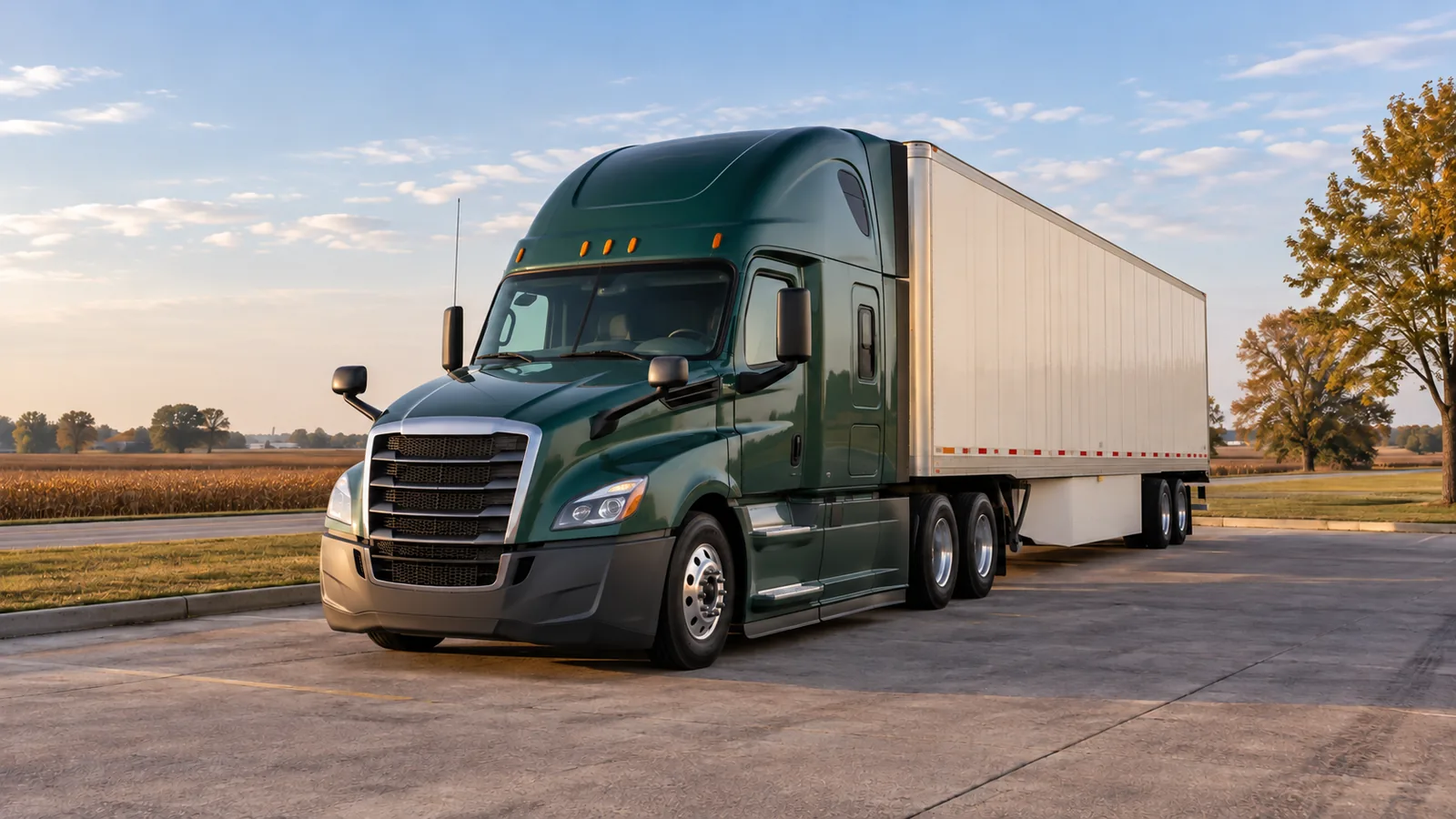
Start with care and the details that identify the truck.
Seek appropriate medical attention and describe the collision and your symptoms to your providers. Keep treatment instructions, appointment records, and work restrictions. Whether the crash occurred on I-55, I-72, a Springfield street, or another Illinois road, your account should begin with the location, time, direction of travel, and what you personally observed.
Commercial vehicles can display several names and identifying numbers. Preserve existing photographs of the tractor, trailer, license plates, company markings, and USDOT number. The business named on a trailer may differ from the carrier operating the truck. These details help identify whom to investigate and which records to seek.
Keep the police report number and witness information. Preserve original files and correspondence, and distinguish what you remember from what others reported.
Preserve the commercial records as well as the scene evidence.
A truck investigation may require dispatch messages, trip documents, driver qualification records, maintenance files, onboard video, and available vehicle data. Those sources can help test accounts of the route, timing, vehicle condition, and events preceding impact. What exists depends on the equipment and operation; there is no single recording system that answers every question.
The Federal Motor Carrier Safety Administration explains that an electronic logging device records driving time for hours-of-service purposes. It should not be confused with a crash reconstruction report. ELD rules include exceptions, so the absence of an ELD alone does not establish a violation.
Tell the office promptly if a vehicle may be repaired, sold, or destroyed, or if video may be overwritten. Counsel can assess preservation requests and inspections. Preserve your own dashcam and phone files in their original form and identify nearby cameras; avoid editing the only copy.
- Tractor and trailer identities, carrier markings, and original scene photographs.
- Available dashcam, onboard-camera, vehicle, and trip information.
- Witness contacts, police information, insurer letters, and requests for signatures.
Investigate the driver, the carrier, and the vehicle’s condition.
Depending on the facts, an investigation may examine driving decisions, carrier supervision, vehicle maintenance, or loading. Identify the actual roles of the driver, motor carrier, vehicle owner, maintenance provider, and cargo participants. Their appearance in shipping paperwork does not automatically make each one legally responsible.
Federal rules address several parts of commercial operations. For example, 49 CFR 396.3 requires systematic inspection, repair, and maintenance for covered vehicles and specifies recordkeeping obligations. Maintenance records can be compared with a suspected defect and the physical evidence, rather than treating a repair entry as proof of causation.
The FMCSA Motor Carrier Safety Planner organizes guidance on driver qualifications, hours of service, vehicle requirements, and other safety rules. The relevant regulation and any exception must be checked for the specific vehicle, operation, and date. A regulatory concern still needs a connection to the collision and injury.
Connect the injuries and losses to reliable evidence.
A claim assessment considers treatment, wage loss, pain, and limits on ordinary activities supported by the evidence. Long-term care or reduced earning capacity may require additional professional evaluation. Keep a practical record of missed shifts, assistance at home, and activities you cannot do or must modify. Specific examples are more useful than an online settlement estimate.
Illinois’s comparative-fault rule under 735 ILCS 5/2-1116 generally bars recovery when the injured person’s fault exceeds 50%; fault of 50% or less reduces damages proportionately. A trucking insurer’s position about fault should be examined against the full record.
Commercial coverage can involve multiple policies and parties. Do not assume that the size of a truck establishes available insurance or a likely recovery. Preserve coverage correspondence and proposed releases. A property-damage payment, medical-bill issue, and final injury settlement may involve different questions.
Check filing deadlines and related claims early.
The general Illinois personal-injury limitation is two years after a claim accrues under 735 ILCS 5/13-202. Public defendants, minors, and other circumstances can change the analysis. The deadline for filing suit is separate from the practical urgency of preserving vehicles and recordings.
If you were working when the crash occurred, workers’ compensation may need coordination with a claim against a responsible third party. If someone died, the proper representative and family’s losses require wrongful death and survival claim review.
A consultation can identify urgent evidence, potential parties, coverage questions, and investigative steps. Ask about fees, expenses, and communication if representation is offered. You can begin while treatment or a police investigation continues.
A PRACTICAL FIRST STEP
Prepare for a conversation.
A brief account of what happened is enough to begin. These details may help the office evaluate the next steps:
- Date, location, road, direction of travel, and a short account of the collision.
- Truck and trailer photographs, company names, license plates, and USDOT number if available.
- Police agency, report number, witnesses, and information about nearby cameras.
- Original photographs, dashcam recordings, messages, and other digital files.
- Treatment information, work restrictions, wage records, and assistance needed at home.
- Insurance correspondence, claim numbers, releases, and any work-related claim information.
You do not need every record before calling. Keep sensitive information for a direct conversation with the law office.
Call for a free consultationCOMMON QUESTIONS
A little more clarity.
How is a commercial truck accident claim different from a car accident claim?
A commercial truck claim may require carrier, driver, dispatch, maintenance, and electronic records beyond the evidence commonly available after a passenger-car crash. The truck and trailer may involve different businesses. The investigation must identify their roles, the applicable safety rules, and the evidence connecting any wrongdoing to the injuries.
Is the trucking company automatically responsible for its driver’s crash?
No. Responsibility depends on the conduct, employment or agency relationships, and other facts. A carrier’s own decisions may also require review. A company name on a vehicle or shipping document is a starting point for identifying the parties, not a substitute for proving a legal basis for liability.
Should I wait for the police investigation before contacting a truck accident lawyer?
You can contact the office while the investigation is underway. Provide the responding agency and report number if available, and explain any concern about vehicles, recordings, or other evidence being changed. A police investigation and preservation of evidence for a civil claim have different purposes and timelines.
Can an injured truck driver ask about workers’ compensation and another driver’s fault?
Yes. A work-related crash can require both a workers’ compensation review and an evaluation of a potential claim against someone outside the employment relationship. Employment status, work connection, liability, and reimbursement rights need separate attention. Preserve the employer’s notices and benefit information along with the crash records.
Sources & further reading
Primary sources support the Illinois legal information on this page. The rules that apply to an individual matter depend on its facts.
- FMCSA — electronic logging devices
- FMCSA — ELD coverage, exceptions, and recordkeeping
- Commercial vehicle inspection, repair, and maintenance — 49 CFR 396.3
- FMCSA — Motor Carrier Safety Planner
- Illinois comparative fault — 735 ILCS 5/2-1116
- Illinois personal-injury limitation — 735 ILCS 5/13-202
- Workers’ Compensation Act — third-party claims, 820 ILCS 305/5
Related legal analysis
General information, not legal advice. Deadlines and available claims require individual evaluation. Read the full disclaimer.
YOUR NEXT STEP
Start with a conversation.
Discuss what happened, the questions you have, and how the injury or loss has affected your life.

Legal representation is provided through
The Law Offices of Frederick W. Nessler & Associates, Ltd.
536 N. Bruns Lane, Suite 1Springfield, IL 62702(217) 698-0202
Free consultation. Contacting the office does not by itself create an attorney-client relationship. Representation begins when the firm agrees to undertake your matter.