CAR ACCIDENTS · SPRINGFIELD, ILLINOIS
Springfield, Illinois Car Accident Attorney
Medical appointments, missed work, and calls from insurers can quickly fill the days after a collision. Jonathan T. Nessler represents people injured in Illinois motor vehicle crashes through The Law Offices of Frederick W. Nessler & Associates, Ltd., in Springfield. A conversation with the office can help identify what needs attention now and what a claim would require.
Free consultation through the law firm · (217) 698-0202
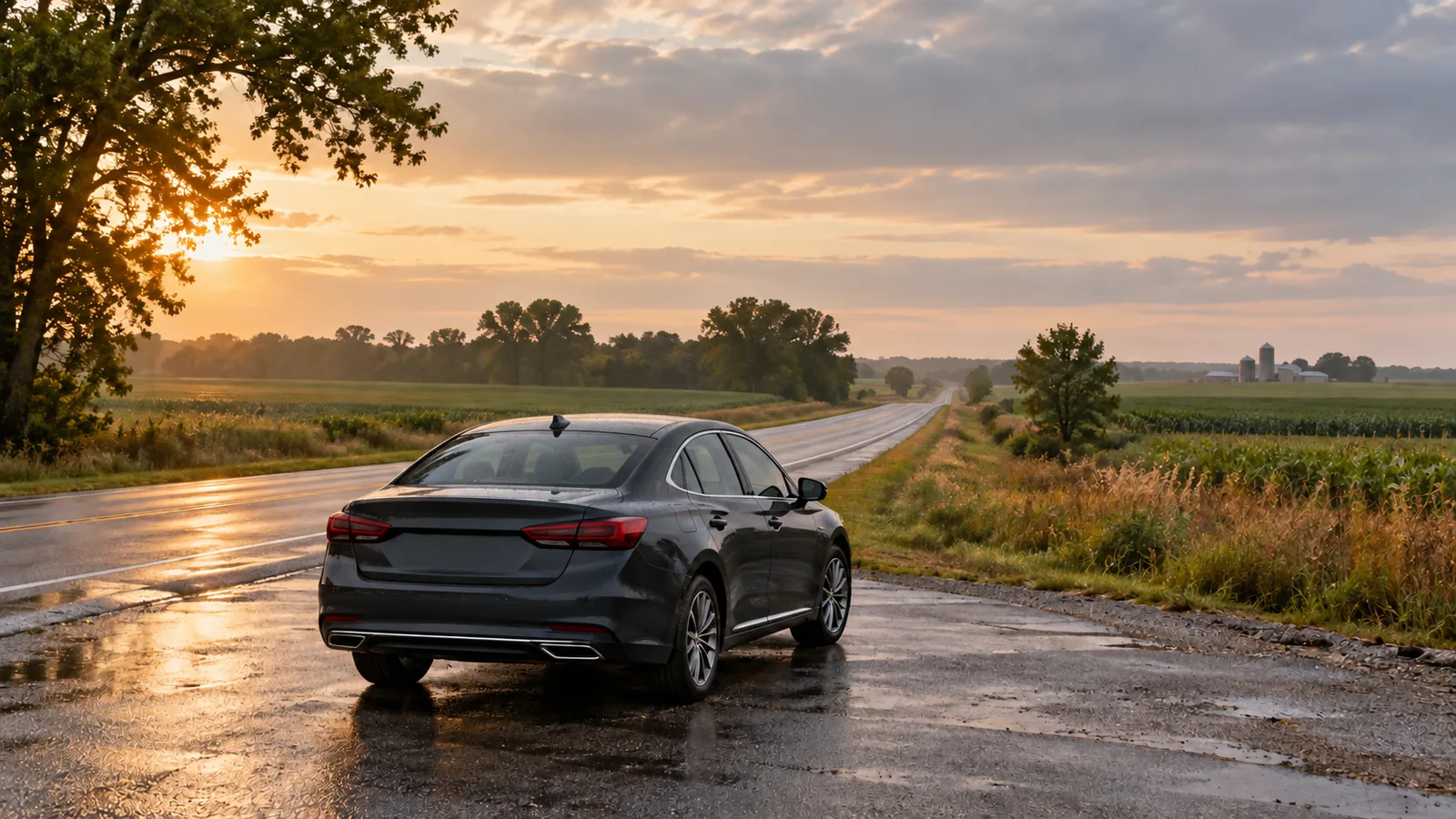
Start with your health and a record of what happened.
Get appropriate medical attention and tell your treating providers how the crash occurred and what symptoms you are experiencing. Keep appointment information, discharge instructions, and receipts together. If an injury is affecting your work or ordinary activities, make brief, accurate notes while the details are fresh.
Whether the collision happened on a Springfield street, I-55, I-72, or elsewhere in Illinois, useful first details include the location, date, responding police agency, and identities of the drivers and witnesses. You do not need to finish an investigation or collect every record before contacting the office.
A claim begins with evidence, not assumptions about fault.
The investigation considers what each driver did, the conditions at the scene, and whether the available evidence supports those accounts. A police report can provide a starting point, but photographs, witnesses, video, and vehicle information may raise additional questions. When vehicles are repaired or recordings are overwritten, useful information can become harder to obtain.
Preserve the original photographs and messages you already have. Tell the office about nearby businesses with cameras, a dashcam, a rideshare trip, or a vehicle being used for work. Those details may affect which records, people, companies, and insurance policies need to be examined.
- Scene photographs showing vehicle positions, roadway markings, visibility, and damage.
- Names and contact information for people who saw the collision.
- The crash report number and any insurance correspondence or claim numbers.
Separate the insurance questions from the injury claim.
Repairing a vehicle, paying current medical bills, and resolving an injury claim are different issues. A property-damage payment does not tell you what the injury portion of a case may involve. Before signing a release, understand which claims and people it covers and whether future treatment has been considered.
Your own policy may matter as well as the other driver’s. Depending on coverage and the circumstances, medical-payments, uninsured-motorist, or underinsured-motorist benefits may be relevant. The Illinois Department of Insurance explains these coverage types. The actual policy, applicable limits, and notice requirements still need review.
Keep requests for statements and authorizations, settlement offers, and denial letters. Meet your own policy’s reporting obligations, and seek advice if you are unsure what an insurer is asking you to sign.
Understand both the injury and its effect on daily life.
Evaluating a claim means looking beyond the first emergency-department bill. Depending on the evidence, relevant losses may include necessary medical care, lost earnings, pain, and limitations on normal activities. Records documenting treatment, work restrictions, and recovery help connect a request for compensation to what actually happened. A future expense or limitation needs evidentiary support; an online settlement calculator cannot supply it.
Illinois uses a comparative-fault rule in negligence injury cases. Under 735 ILCS 5/2-1116, fault of more than 50% bars recovery; fault of 50% or less reduces damages proportionately. An insurer’s assertion that you contributed to a crash is a position to investigate, not a court’s final allocation of responsibility.
If a collision caused a death, the people entitled to bring the action and the losses being claimed require a different analysis. Read about Illinois wrongful death representation.
Check deadlines early, even while treatment continues.
Illinois’s general personal-injury limitation is two years after a claim accrues under 735 ILCS 5/13-202. That is not a deadline calculation for an individual crash. Claims involving public entities, children, or other special circumstances require separate review; some public-entity deadlines are shorter.
An initial consultation can address the collision, injuries, insurance, available records, and potential deadlines. The firm can then explain whether further investigation is warranted. If representation is offered, ask about the written agreement, attorney fees, case expenses, and how communication will work.
A PRACTICAL FIRST STEP
Prepare for a conversation.
A brief account of what happened is enough to begin. These details may help the office evaluate the next steps:
- Date, location, and a brief description of the crash.
- Police agency, report number, and witness information.
- Photographs, dashcam files, and messages in their original form.
- Auto insurance information, claim numbers, and any proposed release.
- Treatment locations, medical bills, and known work restrictions.
- Questions about missed income, ongoing treatment, or insurer requests.
You do not need every record before calling. Keep sensitive information for a direct conversation with the law office.
Call for a free consultationCOMMON QUESTIONS
A little more clarity.
Can I contact a Springfield car accident attorney before treatment is finished?
Yes. You can discuss evidence, insurance, and deadlines while treatment continues. The long-term effects of an injury may still be uncertain, so an early consultation and a final valuation are different steps. Bring the records you have and identify treatment that is still underway.
What if the other driver has no insurance?
Your own uninsured-motorist coverage may be relevant. A hit-and-run collision or a driver with insufficient insurance can raise different policy questions. Preserve the available driver and vehicle information and have the policy, notice requirements, and facts reviewed promptly.
Do I need the crash report before calling?
No. The date, location, responding agency, and a short description can start the conversation. If you have a report number, provide it. Tell the office about photographs, witnesses, or recordings that may need prompt attention.
Does every car accident claim go to trial?
No. A claim may resolve through negotiations, but a disputed claim may require a lawsuit and could proceed to trial. The evidence, insurance, injuries, and positions of the parties affect the available options. No particular result or timetable can be promised at the outset.
Sources & further reading
Primary sources support the Illinois legal information on this page. The rules that apply to an individual matter depend on its facts.
- Illinois comparative fault — 735 ILCS 5/2-1116
- Illinois personal-injury limitation — 735 ILCS 5/13-202
- Local public-entity limitations — 745 ILCS 10/8-101
- Illinois Department of Insurance — Auto Insurance Shopping Guide
- Illinois Pattern Jury Instructions, Civil — damages instructions
Related legal analysis
General information, not legal advice. Deadlines and available claims require individual evaluation. Read the full disclaimer.
YOUR NEXT STEP
Start with a conversation.
Discuss what happened, the questions you have, and how the injury or loss has affected your life.

Legal representation is provided through
The Law Offices of Frederick W. Nessler & Associates, Ltd.
536 N. Bruns Lane, Suite 1Springfield, IL 62702(217) 698-0202
Free consultation. Contacting the office does not by itself create an attorney-client relationship. Representation begins when the firm agrees to undertake your matter.